
Managing Side Effects of Lung Cancer Treatments
Lung cancer treatments such as chemotherapy and radiation therapy can cause a variety of side effects that impact patients’ quality of life. Proper management of these side effects plays a crucial role in helping patients tolerate treatment and maintain daily functioning.
Common Chemotherapy Side Effects and Management
- Fatigue: Feeling tired or weak is common during chemotherapy. Managing fatigue involves balancing rest with light physical activity, eating a nutritious diet, and asking for help with daily tasks when needed.
- Nausea and Vomiting: Anti-nausea medications prescribed by doctors help reduce these symptoms. Eating small, frequent meals and avoiding strong odors can also ease discomfort.
- Hair Loss: Hair loss occurs because chemotherapy affects rapidly dividing cells. Patients may consider wigs, scarves, or hats for comfort and confidence.
- Weakened Immune System: Chemotherapy can lower white blood cell counts, increasing infection risk. Good hand hygiene, avoiding sick individuals, and prompt reporting of symptoms are essential.
- Mouth Sores: Eating soft, cool foods and using mouth rinses recommended by healthcare providers helps manage pain and inflammation.
- Numbness or Tingling: Peripheral neuropathy can be eased by avoiding tight clothing, protecting extremities from cold, and gentle exercise.
Common Radiation Therapy Side Effects and Management
- Skin Reactions: Redness, dryness, peeling, or itching may occur at the radiated site. Using gentle moisturizers, wearing loose clothing, and avoiding sun exposure helps care for the skin.
- Fatigue: Similar to chemotherapy, radiation causes tiredness that can be managed with rest, hydration, nutrition, and light exercise.
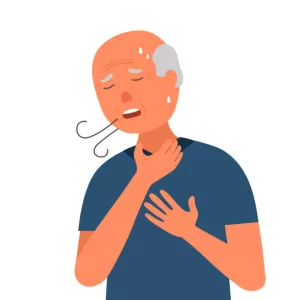
- Breathing Difficulty: Radiation can cause inflammation in the lungs. Breathing exercises, inhalers, and oxygen therapy may be used when needed. Notify your healthcare team if you experience shortness of breath.
- Throat or Mouth Problems: For cancers involving the chest area, radiation can lead to dryness, soreness, or difficulty swallowing. Eating soft foods and using saline gargles can provide relief.
General Tips for Managing Side Effects
- Communicate openly with your healthcare team about all side effects. Early reporting allows timely management.
- Maintain a balanced diet and stay hydrated to support recovery.
- Use prescribed medications and therapies as directed to control symptoms.
- Seek emotional support through counseling or cancer support groups to manage stress and anxiety related to treatment.
Managing side effects effectively requires a team approach and proactive patient engagement. With proper care and support, many patients living with lung cancer can navigate chemotherapy and radiation side effects while maintaining the best possible quality of life
Disclaimer: The content for this article is for informational purposes only and is not a substitute for professional medical advice, diagnosis, or treatment. Always consult your oncologist with any questions regarding a medical condition. Do not disregard medical advice or delay seeking it based on information from this site.