
Lung Cancer Screening: When and How to Get Tested
Lung cancer is one of the most common cancers in Singapore and remains a leading cause of cancer-related deaths. Because early-stage lung cancer rarely causes symptoms, many cases are detected too late for effective treatment. Lung cancer screening offers a powerful way to identify cancer in its earliest, most treatable stages—often before symptoms appear. If you are at increased risk, understanding when and how to get tested could save your life.
Who Should Consider Lung Cancer Screening?
Lung cancer screening is recommended for adults with significant risk factors. You should consider screening if you:
- Are aged 55 to 74 (recent guidelines in some countries may suggest starting at age 50)
- Have a history of heavy smoking (generally defined as 30 pack-years or more, meaning one pack a day for 30 years, or two packs a day for 15 years)
- Are a current smoker, or have quit within the past 15 years
Those with other lung cancer risk factors—such as a family history or prolonged exposure to occupational hazards like asbestos—should discuss their risks with their doctor, as screening recommendations may vary.
What Is a Low-Dose CT Scan?
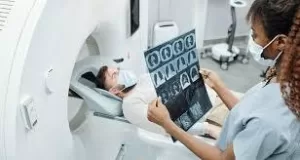
The primary tool for lung cancer screening is the low-dose computed tomography (CT) scan. This non-invasive scan uses much less radiation than a standard CT and can detect small growths or nodules in the lungs before they become advanced. The scan is painless and quick, typically completed in less than 10 minutes. No special preparation or injections are required.
Lung Cancer Screening Guidelines
Healthcare authorities in Singapore and around the world endorse lung cancer screening guidelines that balance the benefits of early detection with the risks associated with over-diagnosis or false positives. Screening is not recommended for everyone, but rather for those in high-risk groups, as outlined above. Annual low-dose CT scans are generally advised for those who qualify, with regular follow-up based on scan results and ongoing risk assessment.
How to Get Tested in Singapore
If you think you may be eligible for lung cancer screening, start by talking to your family doctor or primary care physician. They can evaluate your risk factors and refer you to a specialist if screening is appropriate. Many public hospitals and leading cancer centers in Singapore offer low-dose CT lung screening as part of comprehensive cancer prevention and early detection programs.
Conclusion
Low-dose CT scan screening gives high-risk individuals the best chance of catching lung cancer early, when treatment is most likely to succeed. Following established lung cancer screening guidelines can help lower mortality rates and improve outcomes. If you meet the criteria, don’t wait—consult your healthcare provider about whether lung cancer screening is right for you and take charge of your lung health today.
Disclaimer: The content for this article is for informational purposes only and is not a substitute for professional medical advice, diagnosis, or treatment. Always consult your oncologist with any questions regarding a medical condition. Do not disregard medical advice or delay seeking it based on information from this site.