
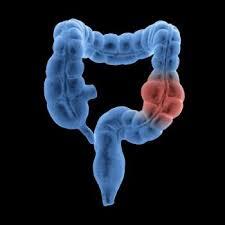
How to Manage Bowel Changes During Colorectal Cancer Treatment
Colorectal cancer treatment, including chemotherapy and radiation, plays a crucial role in fighting the disease but often comes with side effects—particularly changes in bowel habits. Managing these changes effectively is important for comfort, nutrition, and overall quality of life throughout your cancer journey.
Understanding Bowel Changes During Treatment
Cancer treatments such as chemotherapy often disrupt the normal function of the digestive system, leading to side effects like diarrhea, constipation, cramping, or bowel urgency. Radiation therapy targeted at the pelvic area can also cause inflammation affecting bowel regularity. These symptoms vary in severity and duration depending on the treatment type, dose, and individual patient factors.
Tips for Managing Chemo Side Effects and Bowel Health
- Maintain hydration by drinking plenty of water and electrolyte-rich fluids to prevent dehydration from diarrhea.
- Follow a balanced diet tailored to your symptoms: soft, bland foods may help during diarrhea; high-fiber foods can aid constipation—your healthcare provider or nutritionist can provide personalized guidance.
- Avoid foods and drinks that irritate the bowel such as caffeine, alcohol, spicy foods, and artificial sweeteners.
- Use medications as prescribed. Your doctor may recommend anti-diarrheal agents or laxatives when necessary. Never self-medicate without professional advice.
- Practice good hygiene, especially if diarrhea is frequent, to prevent skin irritation or infections.
Communication and Monitoring
Keep an open line with your healthcare team about any bowel changes you experience. Reporting symptoms early allows for timely interventions to reduce discomfort and avoid complications such as electrolyte imbalances or dehydration.
Emotional and Lifestyle Support
Bowel changes can impact social life and emotional well-being. Support groups, counseling, and patient education programs can provide coping strategies and reassurance during treatment.
Conclusion
Managing bowel changes during colorectal cancer treatment is essential for your comfort and treatment success. By understanding the possible chemo side effects, adopting practical bowel management strategies, and maintaining close communication with your healthcare providers, you can navigate these challenges effectively. Don’t hesitate to seek support and advice—taking proactive steps helps ensure the best possible quality of life during your cancer care.
Disclaimer: The content for this article is for informational purposes only and is not a substitute for professional medical advice, diagnosis, or treatment. Always consult your oncologist with any questions regarding a medical condition. Do not disregard medical advice or delay seeking it based on information from this site.