
How Immunotherapy is Revolutionizing Lung Cancer Treatment
Recent advances in cancer care have transformed the outlook for people diagnosed with lung cancer, one of the leading causes of cancer-related deaths worldwide. Among the most significant breakthroughs is lung cancer immunotherapy—a treatment that harnesses the power of the body’s own immune system to target and attack cancer cells. In Singapore, lung cancer treatment has evolved rapidly with the introduction of immunotherapy as a key option, especially for advanced and difficult-to-treat cases.
What is Immunotherapy for Cancer?
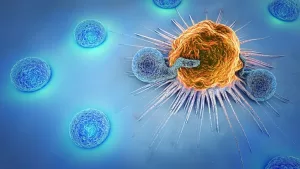
Immunotherapy refers to a set of advanced treatments that stimulate or restore the body’s natural defenses against cancer. Unlike traditional chemotherapy, which directly targets rapidly dividing cells (including healthy ones), immunotherapy works by enhancing the immune system’s ability to recognize, target, and eliminate cancer cells. Common forms include immune checkpoint inhibitors, which “release the brakes” on immune cells, empowering them to destroy tumor cells more effectively.
How Immunotherapy is Used in Lung Cancer Treatment Singapore
In Singapore, immunotherapy is increasingly used for patients with advanced or metastatic lung cancer—cases previously considered difficult to treat. Oncologists often recommend immunotherapy for those whose cancers express specific protein markers (such as PD-L1), after precise molecular and genetic testing. Immunotherapy can be used alone or in combination with chemotherapy, depending on the cancer’s characteristics and previous treatments received.
Key Benefits and Lung Cancer Survival Rates
Immunotherapy has brought new hope for improved lung cancer survival rates, even for those with advanced disease. Many patients experience longer periods without cancer progression—and some achieve remission. Compared to chemotherapy alone, immunotherapy can lead to better quality of life with fewer severe side effects for eligible patients. It provides an option when other treatments have failed or when surgery and radiation are not feasible.
Advanced Cancer Treatments: Side Effects and Monitoring
While immunotherapy is generally better tolerated than traditional chemotherapy, some patients may still experience side effects, including fatigue, rash, diarrhea, or inflammation of organs (such as the lungs or liver). Regular monitoring by your healthcare team is vital to promptly address and manage these reactions.
Comprehensive Lung Cancer Care in Singapore
Singapore offers world-class cancer centers, multidisciplinary teams, and access to the latest advanced cancer treatments, including immunotherapy for cancer. Patients benefit from precise diagnostics, individualized treatment plans, and integrated support throughout their journey.
Conclusion
Lung cancer immunotherapy is revolutionizing how we approach and fight one of the most challenging cancers. With more patients achieving stable disease, improved survival, and better quality of life, immunotherapy stands at the forefront of lung cancer treatment Singapore. Ongoing research and new developments promise even more effective treatments in the future. If you or a loved one is affected by lung cancer, speak with your oncologist about immunotherapy and whether it is suitable for your situation. Advances in immunotherapy are turning hope into reality for lung cancer patients worldwide.
Disclaimer: The content for this article is for informational purposes only and is not a substitute for professional medical advice, diagnosis, or treatment. Always consult your oncologist with any questions regarding a medical condition. Do not disregard medical advice or delay seeking it based on information from this site.