
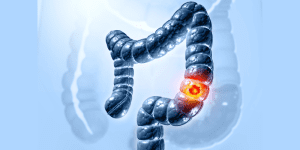
Colorectal Cancer: The Importance of Early Detection
Colorectal cancer is among the most common cancers worldwide and a significant health concern in Singapore. Early detection through regular screening dramatically improves treatment success and survival rates. Understanding the importance of early diagnosis and the role of colonoscopy screening can empower individuals to take proactive steps toward cancer prevention and better health outcomes.
Why Early Detection Matters
Colorectal cancer often begins as small, non-cancerous growths called polyps in the colon or rectum. These polyps can slowly develop into cancer over time. Detecting and removing polyps before they turn cancerous is one of the most effective ways to prevent colorectal cancer.
When cancer is caught early, it is easier to treat and the chances of cure are much higher. Advanced colorectal cancer that has spread to other organs is more challenging to treat and carries a lower survival rate. Therefore, early detection saves lives by identifying cancer in its most treatable stages.
The Role of Colonoscopy Screening
Colonoscopy screening is the gold standard for colorectal cancer detection. This procedure involves using a flexible camera to examine the entire colon and rectum. It allows doctors not only to detect cancer but also to remove polyps during the same procedure, significantly reducing cancer risk.
Singapore’s health authorities recommend that adults aged 50 and above undergo regular colorectal cancer screening. For those with family history or additional risk factors, screening may start earlier. Depending on the findings and risk profile, colonoscopy frequency is typically every 10 years or as advised by your doctor.
Other Cancer Prevention Strategies
While colonoscopy is vital for early detection, overall cancer prevention involves a combination of healthy lifestyle choices. Maintaining a balanced diet rich in fiber, regular physical activity, limiting alcohol intake, avoiding smoking, and managing body weight all contribute to lowering colorectal cancer risk.
Consulting with healthcare professionals about your individual risk and screening options is essential. They can tailor recommendations based on age, family history, and health status.
Conclusion
Early detection of colorectal cancer is critical for effective treatment and saving lives. Regular colonoscopy screening plays a central role in identifying cancer or precancerous polyps before symptoms appear. When combined with healthy lifestyle choices, screening forms the cornerstone of comprehensive cancer prevention strategies. Take charge of your bowel health by scheduling screening as recommended, discussing your risks with your doctor, and adopting habits that support long-term wellness. Early action today means better health and peace of mind for the future.
Disclaimer: The content for this article is for informational purposes only and is not a substitute for professional medical advice, diagnosis, or treatment. Always consult your oncologist with any questions regarding a medical condition. Do not disregard medical advice or delay seeking it based on information from this site.