
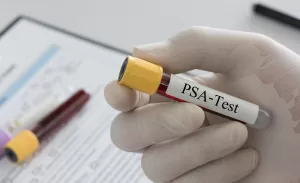
Prostate Cancer Screening: Should You Get a PSA Test?
Prostate cancer is one of the most common cancers affecting men worldwide, and early detection can play a vital role in successful treatment. One of the main tools for screening is the prostate-specific antigen (PSA) test, a simple blood test that measures the level of PSA, a protein produced by the prostate gland. Understanding the benefits and considerations of PSA screening—and your own prostate cancer risk factors—can help you make an informed decision about whether to be tested.
What Is the PSA Test?
The prostate-specific antigen test measures the amount of PSA in your blood. Elevated PSA levels can be an early sign of prostate cancer, but they can also result from noncancerous conditions like an enlarged prostate or infection. The PSA test is easy to administer and widely available through primary care providers.
Who Should Consider PSA Screening?
Screening recommendations vary, but most guidelines suggest discussing PSA testing with your doctor if you:
- Are aged 50 or older
- Are aged 45 or older and are at increased risk (for example, if you are of African descent or have a father or brother who had prostate cancer)
- Are aged 40 or older and have multiple family members who had prostate cancer at an early age
Understanding Your Prostate Cancer Risk Factors
Your risk of developing prostate cancer increases with age, family history, and certain inherited gene changes. Lifestyle factors, such as diet and physical inactivity, may also play a role. By knowing your personal risk factors, you and your doctor can decide if and when to start PSA screening.
Pros and Cons of PSA Testing
The main benefit of the PSA test is the potential for early detection of prostate cancer, which can improve treatment outcomes. However, it is not perfect. High PSA levels do not always mean cancer is present, and not all prostate cancers are life-threatening. Screening can sometimes lead to unnecessary anxiety or further testing, such as biopsies, which carry their own risks.
Should You Get a PSA Test?
The decision to undergo PSA screening should be made after a discussion with your healthcare provider about the potential benefits and limitations, taking your personal risk factors into account. For some men, early screening may lead to life-saving detection; for others, it may mean unnecessary treatment or worry.
Conclusion
The prostate-specific antigen test is a valuable screening tool in prostate cancer prevention, particularly for men with significant risk factors. By understanding your personal risk profile and engaging in a thoughtful conversation with your doctor, you can make the best choice for your health and well-being. Stay informed, prioritize regular health check-ups, and don’t hesitate to seek guidance on screening if you are concerned about your prostate cancer risk.
Disclaimer: The content for this article is for informational purposes only and is not a substitute for professional medical advice, diagnosis, or treatment. Always consult your oncologist with any questions regarding a medical condition. Do not disregard medical advice or delay seeking it based on information from this site.